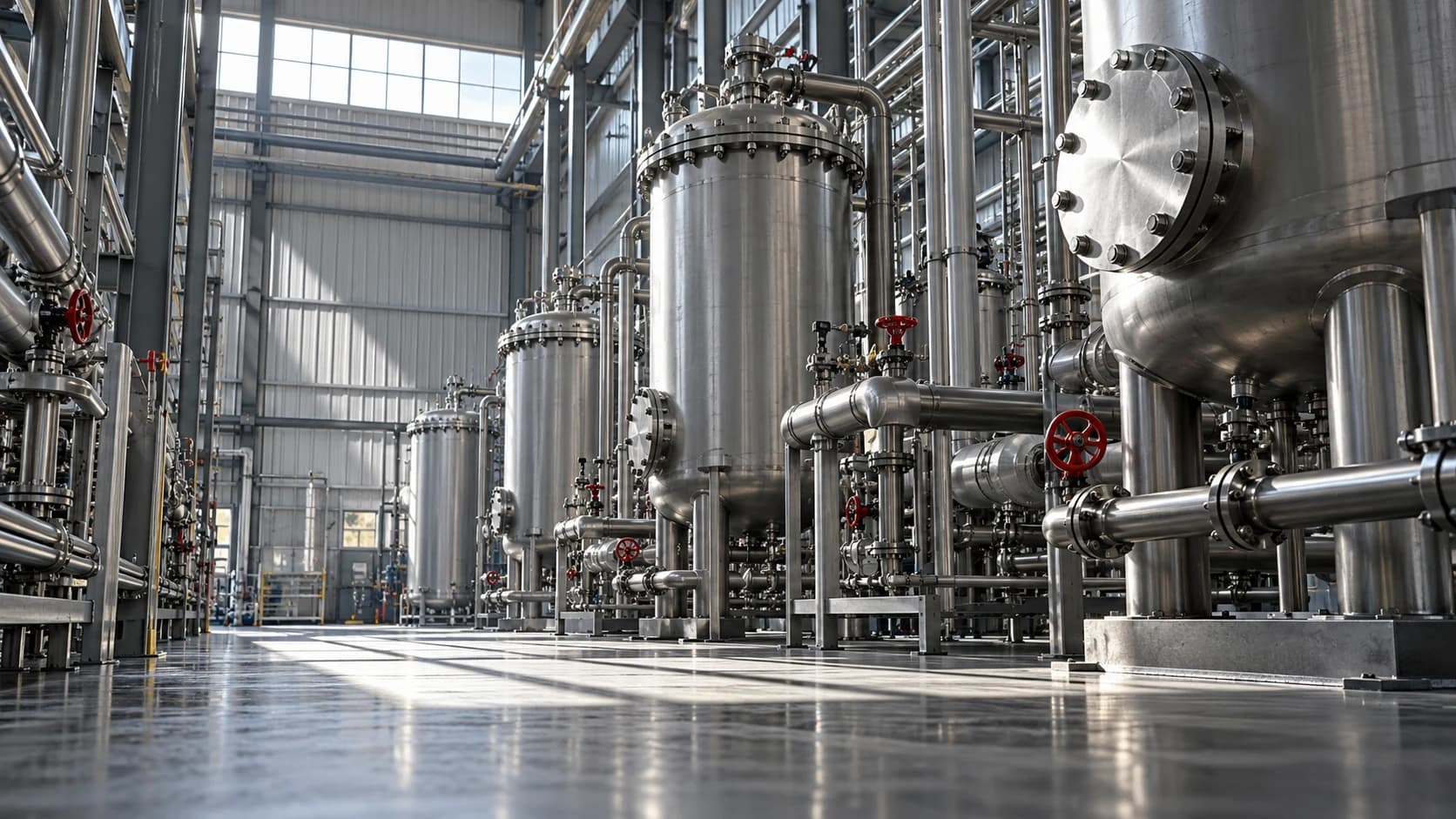
Industrial vessels and organized water-process pipework

Filtration Products
for Water Treatment.

From incoming water to membrane protection and process use. Match the cartridge, retention performance and installed configuration to your water.

Water Treatment Filtration Tasks

Start with the role of the water in your project. Explore the filtration duty that matters to you.

Your water treatment task

Particulate prefiltration

Water source, seasonal changes and existing treatment determine the solids arriving at the filter. Consider cartridge filtration at a suitable point after bulk solids control, with a retention grade and changeout plan matched to the remaining load.

What shapes the choice

  • Water source & existing treatment
  • Suspended solids & variation
  • Downstream equipment requirements

Product directions

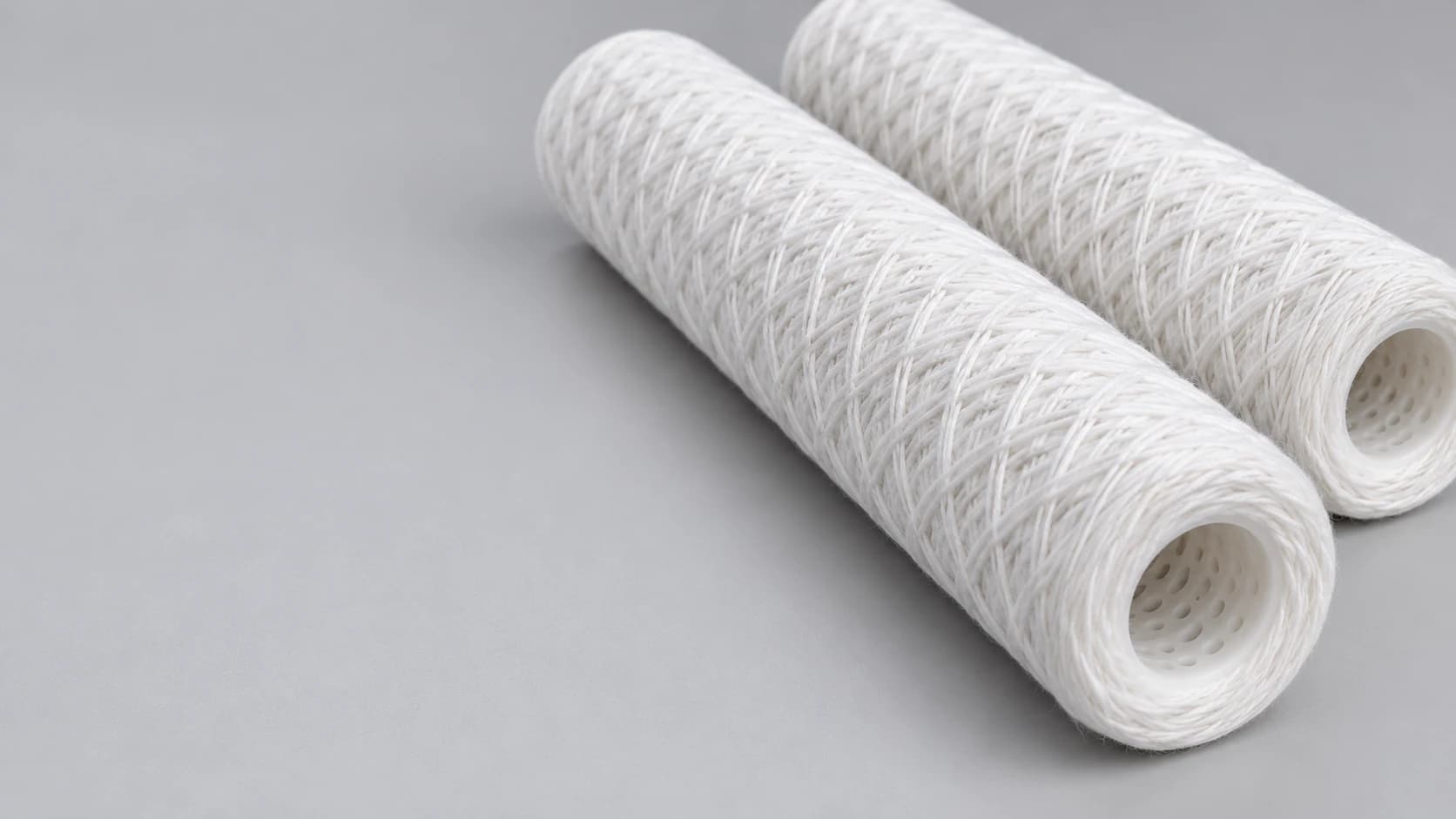
Compare melt-blown and string-wound depth cartridges for the selected duty. Check retention efficiency and pressure-drop data rather than choosing by micron label alone.

Water Treatment Filter Cartridges

Explore liquid filtration

Compare the construction first. Then confirm the media, retention performance, flow and installed fit for your water.

Match the Filter to the Duty

Construction is a starting point. The selected product’s data and operating conditions determine its suitability.

Match the Filter to the Duty
Product directionWhat to evaluateSelection questions
Depth cartridgesParticle retention through a fibrous or wound structure; capacity and resistance under the expected load.What solids reach this stage? How is the grade rated? What does the current changeout history show?
Pleated cartridgesMedia, removal efficiency, filtration area and clean-element pressure drop at the required flow.Which particles matter at the next stage? Which media and seals suit the water chemistry?
Filter format & housingElement dimensions, quantity, sealing arrangement, housing losses and access for replacement.Does the installed format meet flow and maintenance needs? Would a larger format or another filtration approach be more suitable?

Define the Water Filtration Duty

A useful specification connects the incoming water with the quality required at the next stage.

01Water & existing treatment

Water source, available analysis, solids variation and the treatment already in place.

What it informsIncoming load & material compatibility

02Filtration target

Particles to control, equipment to protect, required efficiency and its test basis.

What it informsRetention performance

03Operating conditions

Actual flow through the filter, temperature, water chemistry and available pressure margin.

What it informsSizing & operating resistance

04Installation & maintenance

Housing details, element dimensions, end connections, seals and replacement access.

What it informsInstalled fit & changeout plan

New Equipment or an Existing Installation?

The filtration duty comes first. The information needed to specify the fit depends on where your project starts.

New equipment project

Connect the target water quality with the design flow and available installation space before settling the element format.

  • Water conditions and the next treatment or use
  • Design flow, variation and pressure allowance
  • Planned housing, connections and wetted materials
  • Replacement access and maintenance approach
Discuss a project specification

Existing filter replacement

Identify the installed element and its sealing arrangement, then use operating records to understand what needs to improve.

  • Actual length, diameters and end photographs
  • Housing identification and seating details
  • Current flow and differential-pressure history
  • Changeout frequency and the filtration target
Discuss an existing installation

Water Treatment Filtration FAQs

Close-up of a technician concentrating on a precision task

Start with your water.

Share the water conditions, the filtration target and the installation. We can work through the product direction and configuration with you.

Discuss your requirements

Water treatment filtration

  • Water source & analysis
  • Target quality & downstream equipment
  • Flow & operating conditions
  • Housing & cartridge details